



10 Jan It’s Pica Pica Season here in Panama
Pica Pica, what?
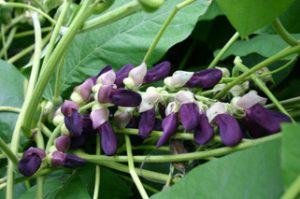
Summer is here in Panama. The winds have returned, and some early mornings there has even been a slight chill in the air. With summer (dry season), there is vine that starts to flower with seed pods emerging on this vine. The vine has purplish flowers, and the seed pods are brown. It is called Mucuna pruriens (with other names such as Hell fire bean, velvet bean, devil bean, mad bean, cowage, nipay and more). It is native to Africa and tropical Asia and is also found in Panama and many other Central American countries. In Panama, it is commonly known as “pica pica” (itch itch).
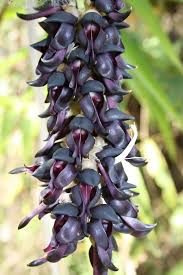

The plant is an annual climbing shrub. It has long vines measuring over fifty feet in length. It is almost fully covered in fuzzy hairs when young, but as an older plant, it is completely free of hairs. The tips of the leaves are pointy, with the sides being heavily grooved. The leaves themselves are ovate (egg-shaped), reverse ovate, widely ovate, tripinnate (compound feather-like) or rhombus-shaped. The pods are curved and densely covered with orange hair. Each pod has five to six shiny brown oval seeds.
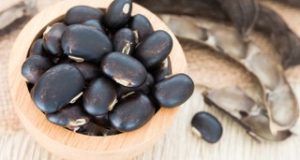
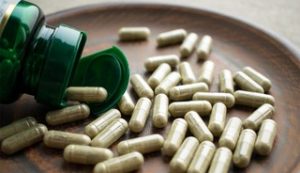
Pica is the present tense of the verb picar meaning to itch. Pica means itch, and pica pica means lots of itching. The itching is caused by the fine hairs on the seed pods of the plant. The hairs contain serotonin and a protein called mucunain. This protein is the source of the itching. While the hairs contain the chemicals that cause the itching, the seeds are medicinal in purpose. They contain L-dopamine. L-Dopa is used to treat Parkinson’s disease. Mucuna pruriens is considered a natural herbal supplement, although it is a legume in nature. It has been used to lower stress, improve focus and mood, reduce anxiety, and boost libido.
It is not only direct touching of the pods that causes the itch, but when the beautiful winds blow, the fine fibrous hairs catch wind and set sail making contact with surfaces. We then make contact and are exposed to these surfaces. The intense itch may last only a couple of minutes. But when the site is scratched, the invisible hairs are spread and driven deeper into the skin resulting in a longer lasting itch.
While the itching is a temporary condition, it can be very annoying. After contacting the plant or feeling the itch (sitting on outdoor cushions, bedsheets, pillow cases, clothing, car seats, and anything else in the winds way), washing with soap and water may help. And when working with the plant, immediate washing of the clothing is important.
There are ways to remove the vine by chopping it, but if left on the ground, it will re-root itself. There has been success with broad leaf herbicides. Covering up with a hat, long sleeved pants and shirt and wearing gloves is highly recommended when chopping down the vine. It is recommended to chop, treat the stump, and repeat as needed.
Panama has only two seasons. Each season comes with its own wonderful traits. With dry season and summer, Panama has the beautiful winds, a bit less humidity, but the downside can be dry, brown land and “pica pica”.