



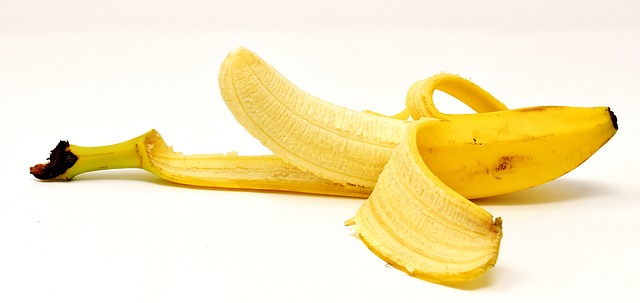
03 Aug Going bananas over the Panama disease
“Panama, the land that smells like bananas”
As a child, growing up in Germany this famous line was my first knowledge of Panama. The book ” Oh, wie schön ist Panama” or in English “The trip to Panama” ,written by Janosh, tells the story of two friends, a little tiger and a little bear. One day they find a wooden crate floating in the river and after fishing the crate out of the water, the little tiger and little bear discovered it came all the way from Panama. Amazed about the smell of the crate, sweet like bananas, a dream was born. Let’s go to the most amazing place in the world. If the country smells like bananas it had to be amazing.
Today, living in Panama I have to agree. It’s not just an amazing country it also has some fantastic tasting bananas.
As I started the research to write about this delicious fruit, I came across some disturbing news. My favorite breakfast snack is endangered of being extinct.
But let’s look back a little bit of the history of banana plantations here in Panama and what the threat is all about.
Bananas have always played a major role in the history of Panama. After all, the region of Bocas del Toro is referred to as the birthplace of global industrial banana production. In the year 1899 the Boston United Fruit Company, today known as United Brands (Chiquita), started the industrial production and export from that region. With that, a booming industry was born and brought also the development of railroads, ports and storage facilities.
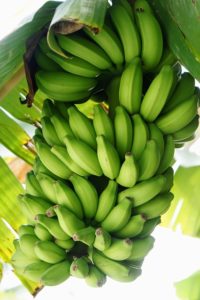
Rippening bananas on a plant
But then in the late years of the 1930s came the Panama disease (fusarium wilt). Named after the location of the first diagnosed outbreak, this fungal infection was attacking the banana plants through the soil and roots. The outcome was devastating! Entire plantations and productions were wiped out from the attack of the plants. The banana industry was struggling until a new disease resistant banana was developed. The new plant we all know today, called Cavendish, was introduced and the banana production increased rapidly.
Named after Duke William George Spencer Cavendish (source National Geographic)
Over a disagreement between the banana producing countries, including Panama, and United Brands Company over export taxation, the “banana war” started. After years of negotiation, the Panamanian plantations owned by United Brands, where sold to the Panamanian Government. However, part of the land was leased back to the company and other parts went to the newly established companies by the government.
A new strain of the devastating fungus has been discovered in the year 1990. Regions in southeast Asia, the Middle East and Africa have so far been affected. Panama and other Latin American countries have created a coalition to protect its countries from the the entry of the deadly fungus. While Panama has so far succeeded, our neighboring country Columbia is not so lucky. With that in mind, it’s just a matter of time before the new strain of the disease will find its way into the country and threaten the production and number one export item. Meanwhile the research for a new breed of bananas is in full force. Let’s hope they will succeed. Otherwise we might loose our favorite fruit forever, here and elsewhere in the world!
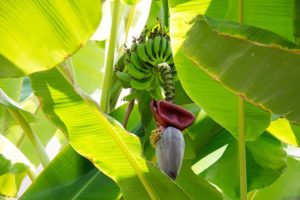
Banana Plant
Some interesting facts about bananas:
- Banana plants are considered an herb and are the largest herb plants
- Biggest producer of bananas is India
- Americans eat an average of 27 pounds of bananas per year
- A banana is considered a berry, not a fruit.
Did you know?
The peel of a banana has almost magical healing power.
Mosquito bites, poison ivy and even scrapes or burns can be treated with the inside of the peel.
For more fun facts, check out the the banana police
What can you do to protect Panama of the fungus disease?
If you are traveling to countries known to have the fungal outbreak, please make sure to avoid buying anything made out of the banana plant. For example, some countries are using the plant to make souvenirs, garments or other craft items.